You will make a decision that can affect your whole quality administration system. Choosing the incorrect calibration laboratory won't simply affect your measurement accuracy-- it'll endanger your conformity, interrupt your procedures, and potentially cost you clients. The stakes are higher than you may think, and the distinctions in between laboratories aren't constantly noticeable in the beginning look. Right here's what divides the reliable companions from the dangerous choices.Accreditation and Accreditation Requirements When choosing calibration company an expert calibration laboratory, you'll intend to confirm that the facility holds proper certification from acknowledged bodies like ISO/IEC 17025 or ANSI/NCSL Z540.ISO IEC approved calibration services show that the laboratory satisfies stringent global standards for testing and measurement accuracy. This accreditation makes sure appropriate traceability to nationwide measurement standards, which is vital for preserving your instruments'reliability.Look for laboratories that display their certification certifications prominently and can supply extent files detailing their licensed capabilities.Professional metrology facilities
need to also maintain continuous conformity via routine audits and assessments. Without correct certification, you can't guarantee that calibration services will certainly meet industry requirements or regulatory standards.Always request documentation proving the laboratory's current certification standing prior to devoting to their services.Technical Capabilities and Equipment Range Past certification requirements, you'll need to examine whether a calibration laboratory has the technical
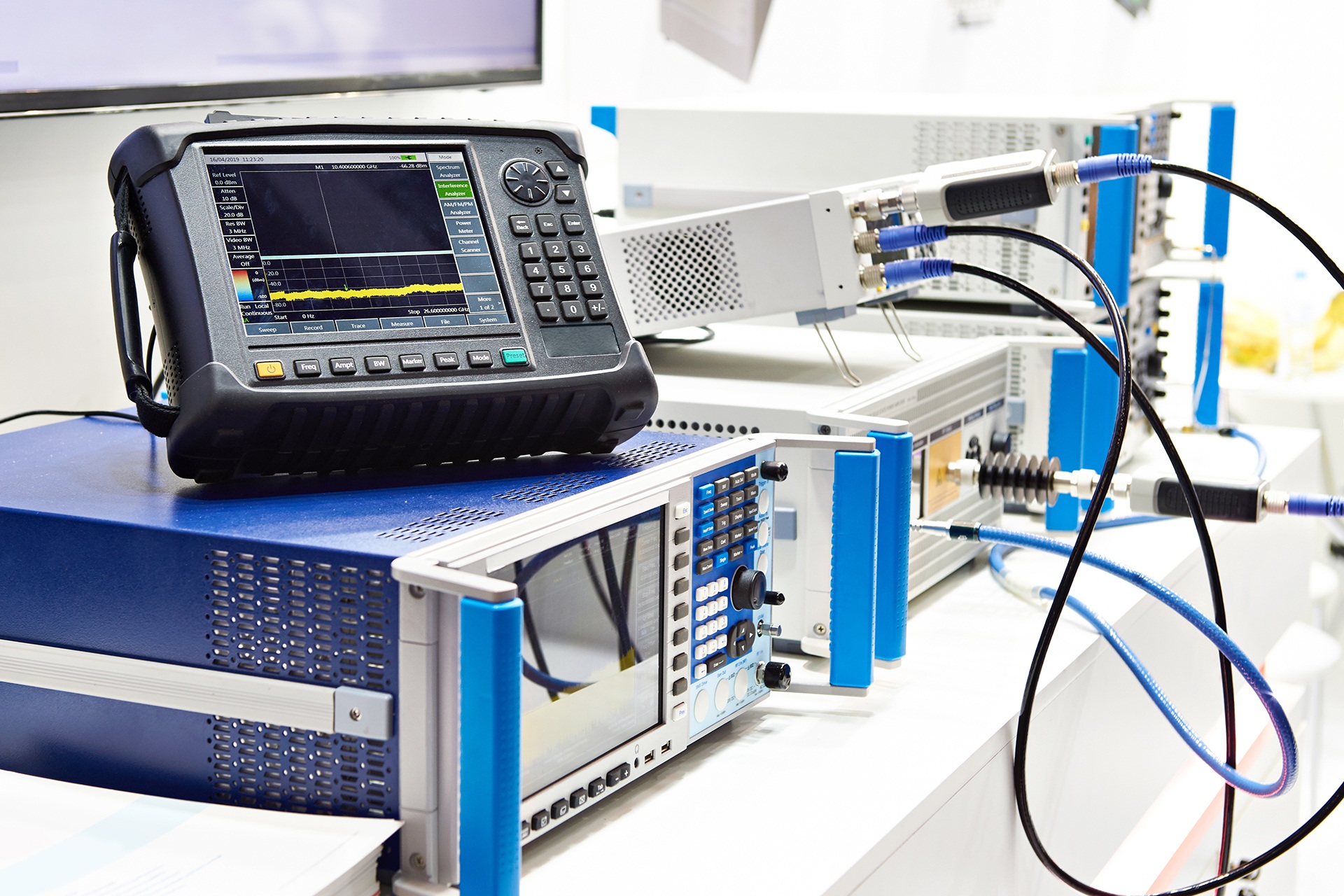
capacities and equipment range required for your details instruments.Look for labs that preserve modern precision equipment covering your instrument kinds, from fundamental multimeters to intricate analytical gadgets. Validate they can manage your measurement
varieties and accuracy requirements while adhering to ISO standards.Consider whether you need on site calibration services for big or sensitive equipment that can not be transported.A reliable laboratory should show technical know-how through qualified personnel and appropriate treatments. Review their range of accreditation to ensure your instruments drop within their certified capabilities.Ask regarding their measurement uncertainties and traceability chains to validate they fulfill your quality standards and regulative requirements.Quality Documentation and
Traceability Standards Considering that proper documents forms the foundation of any qualified calibration service, you'll intend to analyze just how
extensively a laboratory maintains quality records and establishes measurement traceability.Look for calibration certifications that plainly recognize your instrument and recommendation the applicable standards used throughout testing. Quality documentation ought to include
in-depth measurement data, uncertainty calculations, and environmental problems during calibration.Verify that the laboratory's traceability chain attaches to national or global standards through approved referral materials. The calibration services need to offer certificates meeting your sector's details requirements, whether ISO, FDA, or other regulatory standards.Request example certifications ahead of time to guarantee they contain all essential information for your compliance needs. Accurate paperwork shields both
your quality system and shows your commitment to measurement reliability.Turnaround Time and Service Reliability While extensive documents confirms a laboratory's technical capacities, your operational effectiveness depends similarly on their ability to deliver prompt, constant service.When examining calibration services, you'll intend to develop realistic turn-around time assumptions that line up with your functional timetable. An expert calibration laboratory should give consistent distribution dates and interact any possible hold-ups immediately.Service reliability encompasses greater than rate-- it includes precise instrument calibration, traceable results, and standardization throughout all procedures.Look for laboratories with substantial experience handling diverse customer needs while preserving quality standards. Inquire about their ability during optimal durations and back-up procedures for equipment failures.Reliable calibration services
show constant performance via
repeat deliveries, very little rework requirements, and positive communication regarding your instrument's calibration standing throughout the process.Cost Framework and Worth Analysis When examining calibration laboratories, you'll uncover that cost considerations extend much past the initial service quote. A detailed value evaluation calls for analyzing what you're obtaining for your investment.Professional calibration services that seem costly originally often give remarkable value via certified technicians, traceable standards, and appropriate accreditation credentials.Don't immediately choose the lowest-cost alternative. Reliable laboratories buy quality equipment, experienced employees, and preserving
rigorous standards-- elements reflected in their pricing.Compare the overall cost of ownership, consisting of prospective downtime if instruments fail validation due to below average calibration work.Request in-depth quotes that break down labor, materials, and qualification fees. The most effective laboratory equilibriums affordable pricing with tested dependability, ensuring your instruments receive specialist focus that justifies the investment.Conclusion You'll make the ideal choice by extensively reviewing these five essential aspects when selecting a calibration laboratory. Do not endanger on certification standards or technical capabilities,
as they're fundamental to reliable results. Verify traceability paperwork and practical turnaround dedications prior to signing any contracts. Remember, you're buying measurement accuracy that directly impacts your operations, so prioritize total value over preliminary cost savings. Your due diligence currently protects against expensive measurement errors later.